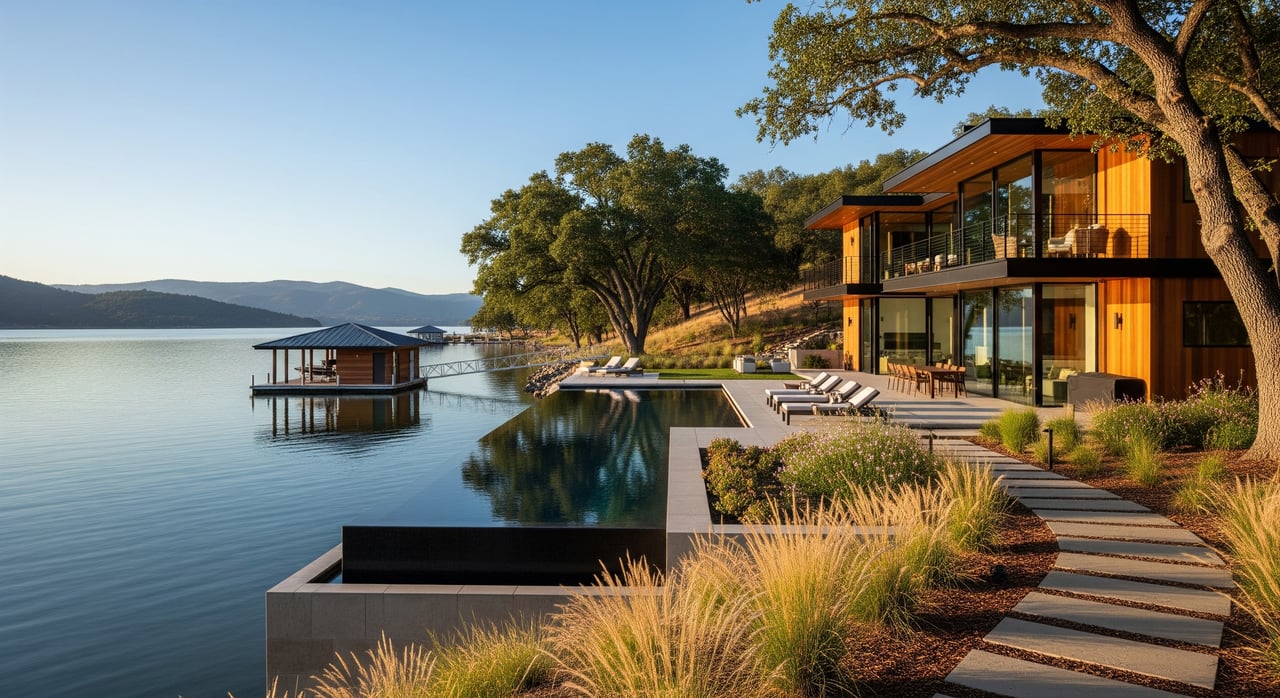
Living Near Folsom Lake: Lifestyle And Home Considerations
December 11, 2025
December 11, 2025
Picture sunrise paddles, miles of lakeside trails, and golden views over the water. If you’re considering a home near Folsom Lake, you’re likely drawn to the outdoor lifestyle and the easy access to recreation. You also want clear, practical guidance on what living near a managed reservoir really means for your day-to-day life and your home. This guide breaks down the lifestyle benefits and the key home considerations so you can move forward with confidence. Let’s dive in.
The Folsom Lake State Recreation Area offers boating, kayaking, paddleboarding, fishing, camping, and swim areas when conditions allow. Trail networks around the lake support hiking, road and mountain biking, running, and equestrian use. Launch areas and park units like Beal’s Point, Brown’s Ravine, and the Peninsula provide access to different parts of the shoreline.
You’ll find that the lifestyle revolves around the water and the foothills. Weekends feel active, with people heading to trailheads, marinas, and picnic areas. Nearby, Folsom’s Historic District adds dining, shops, and local events to round out your off-the-water plans.
“Near Folsom Lake” usually means the western shore in the City of Folsom, parts of Sacramento County, and the northern edges toward Granite Bay in Placer County. Much of the shoreline is public parkland, so true private lakefront parcels with docks are rare. Many homes offer lake views or quick access to trailheads and marinas rather than private waterfront.
Commuting is straightforward for most residents. U.S. 50 connects Folsom to Sacramento and the Sierra foothills. The Sacramento Regional Transit Light Rail Gold Line terminates at Historic Folsom, giving you transit access toward Sacramento.
Living close to a marina or trailhead puts you steps from the fun. It can also mean busier weekends and holidays. Expect more traffic, parking demand, and general activity around launch sites during prime seasons.
If you value quiet mornings, consider how close you want to be to ramps and day-use areas. If convenience is your priority, being within a few minutes of a launch can be a huge perk. Visit at different times of week to get a feel for the rhythm.
Folsom Lake is a managed reservoir. Water levels change with the seasons and across multi-year cycles. Wet winters can bring full shorelines and broader boating access. During drought years, levels drop, mudflats can appear, and some ramps may close.
These fluctuations can affect your view, access, and the overall look of nearby shoreline. If views matter to you, ask for photos from different seasons and consider how drought cycles could change the scene. Plan your recreation around State Parks advisories and seasonal operations.
Being near a reservoir adds two risk considerations:
You should review FEMA Flood Insurance Rate Maps for the specific parcel, check local floodplain overlays, and look at city or county emergency plans. A flood zone determination from your lender and, when needed, an elevation certificate will clarify requirements.
Drought affects water levels and the availability of boating and swim areas. California’s drought policies can also influence landscaping and irrigation. During warm seasons, reservoirs can experience harmful algal blooms, which may lead to health advisories or temporary closures.
If you swim, paddle, or fish, check current advisories and follow guidance from state and county agencies. Plan for drought-tolerant landscaping and efficient irrigation to stay aligned with local water rules.
Folsom sits at the edge of the Sierra Nevada foothills, where grasslands and chaparral increase wildfire risk in hot, dry months. Parcels with oak or brush, especially near unincorporated hillsides, may face higher exposure.
Key steps include maintaining defensible space, using ember-resistant building materials when required, and following local fire district guidance. Insurance companies may ask for proof of mitigation and can adjust premiums based on risk and compliance.
Near the lake, you’ll see single-family homes with views, hillside residences, and planned communities with HOAs. Because shoreline is mostly public, private docks are uncommon. Most owners rely on public marinas and ramps.
On sloped lots, pay attention to drainage, erosion control, and foundation health. Landscape choices often favor natives and drought-tolerant plants. If you plan exterior projects, check HOA rules for appearance, boat or trailer parking, and outdoor storage.
Development near waterways tends to have stricter rules. City and county planning departments may require riparian setbacks, grading permits, stormwater controls, and sometimes geotechnical reports for hillside work.
Before designing additions, decks, or hardscape, verify setbacks, slope limits, and permit requirements with the City of Folsom or the relevant county. Early planning prevents costly redesigns later.
Standard homeowner’s insurance does not cover flood damage. If the property is in a designated flood zone, you may need a separate flood policy through the National Flood Insurance Program or a private provider.
Wildfire coverage and premiums have been changing in parts of California. Get quotes early and ask about discounts for defensible space or hardened features. Finally, understand any ongoing costs such as HOA dues, Mello-Roos, or community facilities district assessments.
Confirm providers before you buy. Electricity is commonly provided by SMUD in the region, while gas service is often PG&E. Water and sewer in city limits are typically provided by the City of Folsom; check with county utilities for unincorporated parcels.
On steeper or more remote lots, internet speeds and cell coverage can vary. If you work from home or stream content, verify service levels at the address.
School options, including the Folsom Cordova Unified School District and neighboring districts, can influence home values and buyer demand. Check official district resources for current boundaries, enrollment, and performance information.
When comparing neighborhoods, balance school considerations with commute needs, HOA preferences, and your desired proximity to trailheads or marinas.
Use this quick checklist to make a confident decision:
If you’re preparing to sell, accurate positioning builds trust and protects value:
A polished presentation, professional staging, and targeted marketing help capture the lifestyle buyers want while setting accurate expectations about access and seasonality.
If you value trails, marinas, and a foothill setting, living near Folsom Lake can be a great fit. You’ll want to plan around seasonal water levels, confirm insurance and hazard details, and understand HOA and permitting rules. With clear due diligence, you can enjoy the lake lifestyle while protecting your investment.
Ready to explore lake-area neighborhoods or plan a high-impact sale? Connect with the team that brings concierge presentation and local expertise to every move. Reach out to Sankaran and Associates, Inc for personalized guidance.




When you meet us, you’ll also learn that we’re your neighbors. You can rest assured that your success is the priority every step of the way. Give us a call so we can get to know you and your needs.
950 Reserve Dr Ste 110 Roseville, CA 95678 JASMINE SUNKARA | CA DRE# 1855557