HOA vs No HOA in El Dorado Hills: Weighing the Tradeoffs
January 15, 2026
January 15, 2026
Thinking about buying in El Dorado Hills and wondering if an HOA fits your lifestyle? Choosing between an HOA neighborhood and a non-HOA area shapes your monthly costs, your freedom to customize, and even your resale experience. You want a home that supports how you live without surprise fees or headaches. In this guide, you’ll learn the real tradeoffs, what dues cover, how rules work, and a step-by-step checklist to compare options with confidence. Let’s dive in.
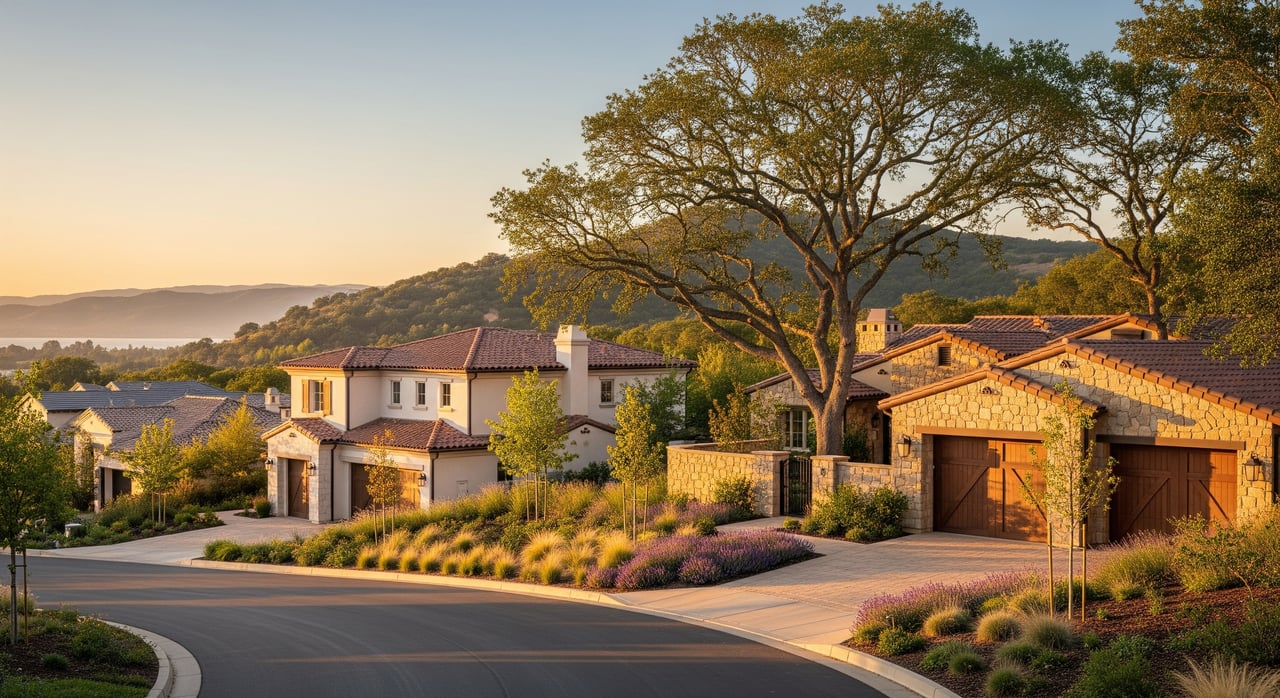
El Dorado Hills includes a mix of master-planned communities with active homeowners associations, smaller neighborhood HOAs, and non-HOA areas on older or rural parcels. Some neighborhoods include multiple sub-associations or a master association that manages amenities and shared spaces.
Public services, like permitting and county ordinances, are handled by El Dorado County. Parks and recreation in many areas are supported by the El Dorado Hills Community Services District. HOAs add another layer focused on neighborhood standards, maintenance of common areas, and amenities.
In non-HOA pockets, you get more autonomy. You also take full responsibility for exterior upkeep, landscaping, private driveways, and any private utilities that come with your property.
HOA dues in El Dorado Hills vary widely. The scope of services and the assets the association maintains drive the monthly number. Key variables include:
Smaller neighborhood HOAs that manage entry landscaping and signage often have lower dues. Amenity-rich or gated master plans usually have higher dues because they maintain more features and private infrastructure.
Non-HOA living removes dues, but you take on direct costs that HOAs typically centralize. Create a side-by-side monthly comparison that includes:
A clear comparison helps you decide if HOA convenience offsets the dues for your lifestyle.
HOAs enforce recorded CC&Rs and association rules. Common areas of oversight include:
In California, HOAs operate under the Davis-Stirling Common Interest Development Act. Architectural changes, like solar panels, windows, or exterior additions, often require approval through an architectural review process.
Many El Dorado Hills HOAs offer features that enhance daily life and social connection. You may see:
Pros of HOA living:
Cons of HOA living:
Pros of non-HOA living:
Cons of non-HOA living:
HOAs centralize upkeep for shared assets, but the quality depends on the budget, management, and contractor choices. Strong reserve planning supports smooth operations and reduces the need for frequent special assessments. Ask for the latest reserve study to understand long-term capital needs and funding strategy.
For non-HOA homes, you control the schedule and quality. Plan for routine projects like roofing, painting, and landscaping, and for systems that may be private in rural settings.
HOA amenities and cohesive community design can support marketability. Some buyers specifically seek amenity-rich neighborhoods. On the other hand, high dues may limit the buyer pool and influence affordability calculations. Rental restrictions can deter investors, and active litigation or a history of special assessments can reduce buyer confidence.
For non-HOA homes, buyers who value autonomy may pay a premium. Without standards for neighbors’ maintenance, street appeal can vary, which can impact perceived value.
Reserve contributions are built into most HOA dues. A well-funded reserve lowers the likelihood of large special assessments for roofs, roads, or major facility repairs. Review the reserve study to see projected projects and the funding plan. Past special assessments, if any, reveal how the association handled big expenses.
Lenders evaluate HOA health as part of mortgage underwriting. They may review delinquency rates, whether the association is involved in litigation, and rental concentrations. This is especially relevant for condominiums. For detached single-family homes within HOAs, requirements are often less stringent, but association documents still matter for a smooth close.
Ensure the HOA can provide required certifications and resale documents on time. Delays in getting association paperwork can slow underwriting and closing.
HOAs typically carry master insurance for common areas and sometimes building exteriors, depending on the association type. As an owner, you will still need your own policy. For condos or other attached units, that is usually an HO-6 policy for interiors and personal property. For single-family homes in an HOA, you will need a standard homeowners policy for the dwelling, personal property, and liability. Ask the HOA for evidence of insurance so your agent can align your coverage and avoid gaps.
Start with lifestyle. If you want amenities, social events, and less hands-on maintenance, an HOA community may be a better fit. If you value maximum autonomy for projects, storage, or future use, a non-HOA home could align better with your goals.
Next, match the numbers to your budget. Compare dues against the private costs you would shoulder in a non-HOA property. Review the HOA’s financials, reserve study, and meeting minutes so you understand risk, not just features.
Finally, look at your resale horizon. Consider whether high dues could affect your buyer pool down the road and how rental rules align with your long-term plans. California’s Davis-Stirling Act provides the legal framework for HOAs, but each association’s rules and finances are unique, so your due diligence matters.
If you want a local, side-by-side comparison of specific El Dorado Hills neighborhoods, our team can help you request the right documents and interpret what they mean for your lifestyle and budget. Ready to narrow your list with confidence? Connect with Sankaran and Associates, Inc for a focused buyer consult or to Request Your Free Home Valuation.
When you meet us, you’ll also learn that we’re your neighbors. You can rest assured that your success is the priority every step of the way. Give us a call so we can get to know you and your needs.
950 Reserve Dr Ste 110 Roseville, CA 95678 JASMINE SUNKARA | CA DRE# 1855557