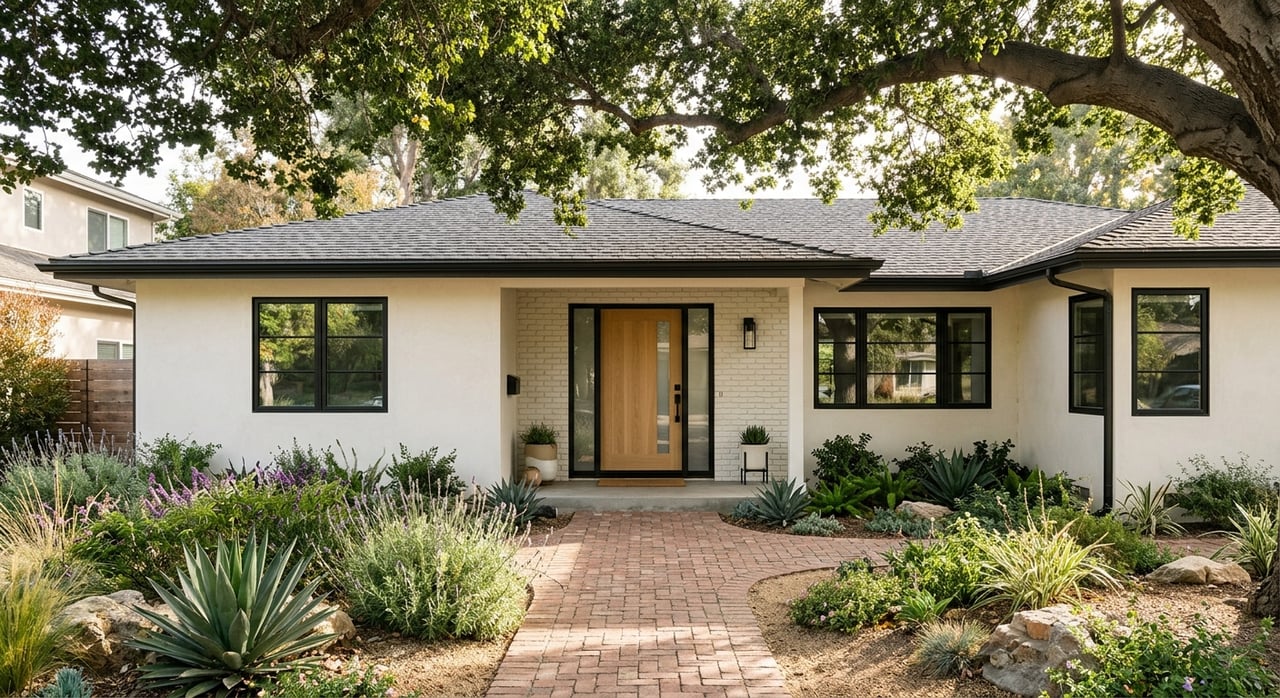
Roseville New Homes vs Older Neighborhoods Compared
June 25, 2026
June 25, 2026
If you are trying to choose between a newer home in West Roseville and an established neighborhood closer to central or east Roseville, you are not alone. This is one of the most common questions buyers ask because the answer shapes your budget, lifestyle, commute, and long-term comfort with the home you choose. The good news is that Roseville offers both options in a meaningful way, and each comes with clear advantages. Let’s break down what really changes from one side of the decision to the other.
Roseville is not just a city with homes of different ages. It is a city where planning patterns matter, too. The city has used specific plans and long-range planning tools for decades, so newer west-side communities and older central or east-side areas can feel very different in layout, streetscape, and ownership costs.
The clearest newer-build zone is West Roseville. The West Roseville Specific Plan covers 3,162 acres west of Fiddyment Road and north of Pleasant Grove Boulevard, with 8,792 planned units, 255 acres of parks, 705 acres of open space, and 3,726 jobs at buildout.
Sierra Vista is another major growth area in Roseville. That plan covers 2,064 acres west of Fiddyment Road and north of Baseline Road, with 8,679 units, 259 acres of commercial land, 106 acres of parkland, 304 acres of open space, and about 9,000 jobs planned at buildout.
On the established side, Downtown and Old Town Roseville represent a different pattern. That plan area covers 176 acres with 11 districts, 1,020 planned residential units, and 900,000 square feet of new ground-floor retail at buildout, while older commercial corridors like Atlantic Street, Douglas-Harding, and Douglas-Sunrise reflect some of the city’s earlier shopping, employment, and transportation routes.
If you like the idea of a turnkey home with newer systems, more predictable design, and community amenities, newer Roseville neighborhoods may feel like the easier fit. Many west-side communities were planned with trails, open space, parks, and a coordinated neighborhood look from the start.
Sierra Vista is a strong example of that planning style. The plan supports a mix of housing types, street trees, trails, paseos, and both large and small lot options, which gives buyers some variety even within a more structured environment.
Lot sizes in these newer areas are often more standardized than in older neighborhoods. In Sierra Vista’s low-density areas, lot sizes typically range from 4,500 to 6,000 square feet, while medium-density areas can include smaller-lot formats such as alley-loaded homes, courtyard homes, green-court homes, zero-lot-line homes, duet homes, and townhomes.
You can also see the newer-build package in communities like Highline Village at Sierra Vista. That gated community includes smaller homes with floor plans from 1,203 to 1,503 square feet, owned solar, finished backyards, and front-yard maintenance through the HOA, and it is served by Roseville Electric municipal utilities.
Winding Creek shows how amenity-focused some newer west-side neighborhoods can be. Its materials describe a 461-acre master-planned community with 2,000 residences, 140 acres of protected land, 3.5 miles of trails, future community parks, a future commercial site, and a future elementary school.
For many buyers, the biggest draw is convenience. A newer home often means less immediate repair work, a more modern floor plan, and energy-efficient features that may help with day-to-day comfort and utility use.
That advantage matters even more as California energy standards continue to evolve. The California Energy Commission says the January 1, 2026 Energy Code update increases efficiency requirements for new single-family homes, and Roseville builders are actively marketing owned solar, energy-efficient features, and low-maintenance packages.
There is also a lifestyle piece to the decision. If you want HOA-maintained common areas, nearby trails, and a neighborhood that feels cohesive from block to block, newer master-planned communities often deliver that experience more consistently.
The tradeoffs are important, too. Newer neighborhoods can come with smaller lots, less variation in streetscape, and added monthly or annual ownership costs that you need to understand before you buy.
In Roseville, one of the biggest details to check is whether a home is subject to HOA rules or special tax districts. The city’s finance records list community facilities district records for areas such as Westpark, Westbrook, The Fountains, and Villages at Sierra Vista, so ownership costs should be reviewed parcel by parcel.
That means your monthly payment picture may involve more than just principal, interest, taxes, and insurance. You will want to confirm HOA dues, any special taxes, and the utility provider for the exact address before making a final comparison.
If newer neighborhoods appeal through consistency, established neighborhoods often appeal through variety. Roseville’s own quality-of-life information notes that neighborhoods range from historic to new construction homes, which is a reminder that the older side of the city is not one single style or product type.
Downtown and Old Town Roseville help define that established feel. The city’s design guidance emphasizes a pedestrian-oriented district and historically compatible materials, which points to a different street character than many newer west-side subdivisions.
Roseville’s commercial corridor planning adds another layer to the picture. In areas tied to older transportation routes and retail centers, the city’s work focuses on pedestrian-friendly design, public amenities, streetscape improvements, access to transit, and mixed uses.
In practical terms, that often means a less standardized environment. You may find more variation in lot shape, home age, updates, and street feel because these areas developed over time rather than being built all at once under a single master plan.
For some buyers, established neighborhoods simply feel more rooted. They may offer a stronger sense of visual variety, older trees and landscaping, and closer-in access to parts of the city that are already fully built out.
Proximity can be a major advantage. Roseville describes itself as the region’s retail center, with more than 240 stores at Westfield Galleria and additional shopping across the street at Fountains, while the city’s 2025 State of the City highlights downtown business activity, the Roseville Automall, and Kaiser as a major local employer with more than 7,000 employees.
That central access can shape your daily routine. If being closer to existing retail, employment centers, or downtown activity matters more to you than having a brand-new home, an established neighborhood may be the better match.
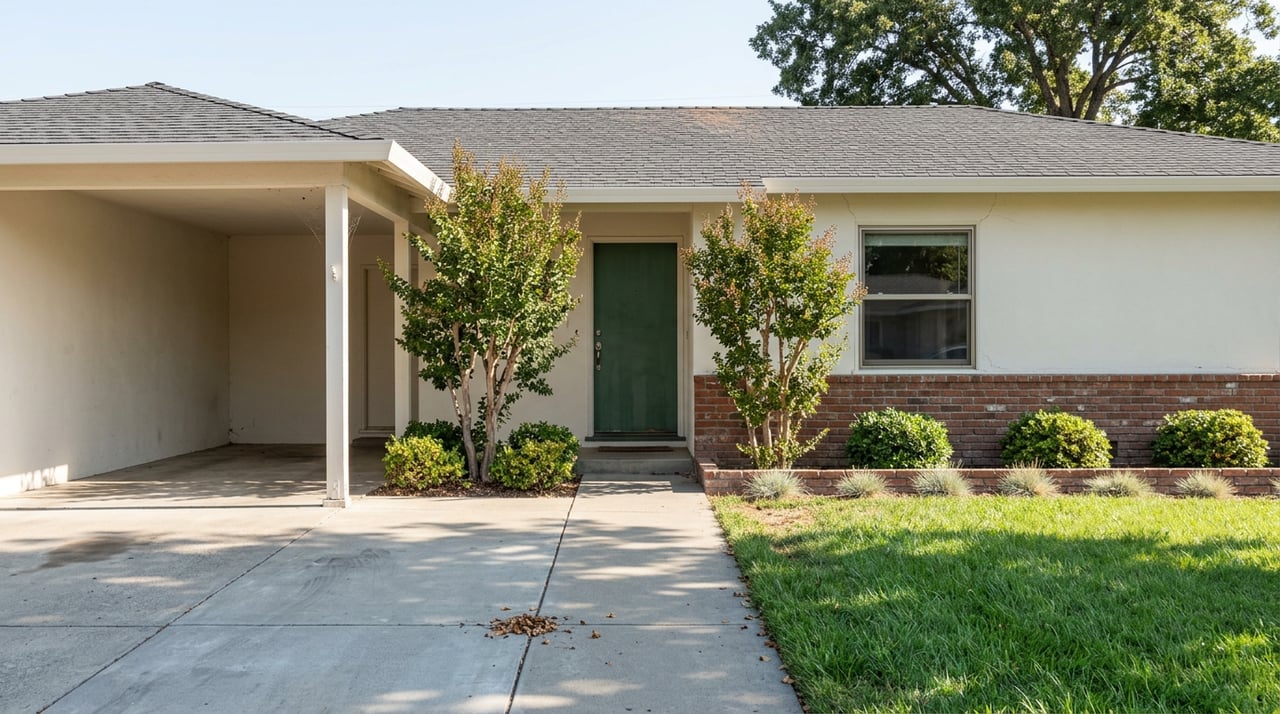
The tradeoff with older homes is usually condition and variation. Some properties may be updated and move-in ready, while others may need repairs, remodeling, or ongoing maintenance.
The public realm can also feel more mixed because these areas evolved in layers. That can be a plus if you like character and variety, but it also means you need to evaluate each block and each property on its own merits rather than assuming the whole area will feel the same.
If you are deciding between newer builds and established neighborhoods in Roseville, it helps to match the home to the way you actually live. Here is a simple way to think about it.
Neither option is automatically better. The best choice depends on what matters most to your budget, routines, and comfort level with maintenance, fees, and neighborhood style.
One Roseville-specific detail can affect your decision more than buyers expect. Some homes with a Roseville mailing address are outside city limits and may be served by different agencies, so you should confirm whether a property is actually inside Roseville before comparing services, utilities, and taxes.
That is why address-level due diligence matters here. Before you decide, verify city limits, utility provider, HOA dues, special taxes, and school assignment for the specific parcel you are considering.
Roseville gives you a true choice between newer master-planned living and more established neighborhood settings. West Roseville and Sierra Vista tend to offer newer homes, more standardized planning, and amenity-driven communities, while central and older corridor areas often offer more variety, different street character, and closer-in access to existing retail and employment hubs.
If you want help narrowing down which side of Roseville fits your goals, budget, and lifestyle, a local strategy matters. The team at Sankaran and Associates, Inc can help you compare neighborhoods, evaluate parcel-level costs, and find the right fit with a clear, step-by-step approach.
When you meet us, you’ll also learn that we’re your neighbors. You can rest assured that your success is the priority every step of the way. Give us a call so we can get to know you and your needs.
950 Reserve Dr Ste 110 Roseville, CA 95678 JASMINE SUNKARA | CA DRE# 1855557